Royal Wedding Dresses Through the Years
Royal wedding dresses have a way of capturing the imagination. From breathtaking wedding trains and intricate lace to clean, modern silhouettes, royal brides have long influenced bridal fashion while putting their own spin on tradition.
Over the years, one thing has remained constant: the balance between timeless elegance and personal style. And while royal weddings may feel like a world away, their iconic wedding dresses continue to inspire brides everywhere.
A Tradition of Timeless Elegance
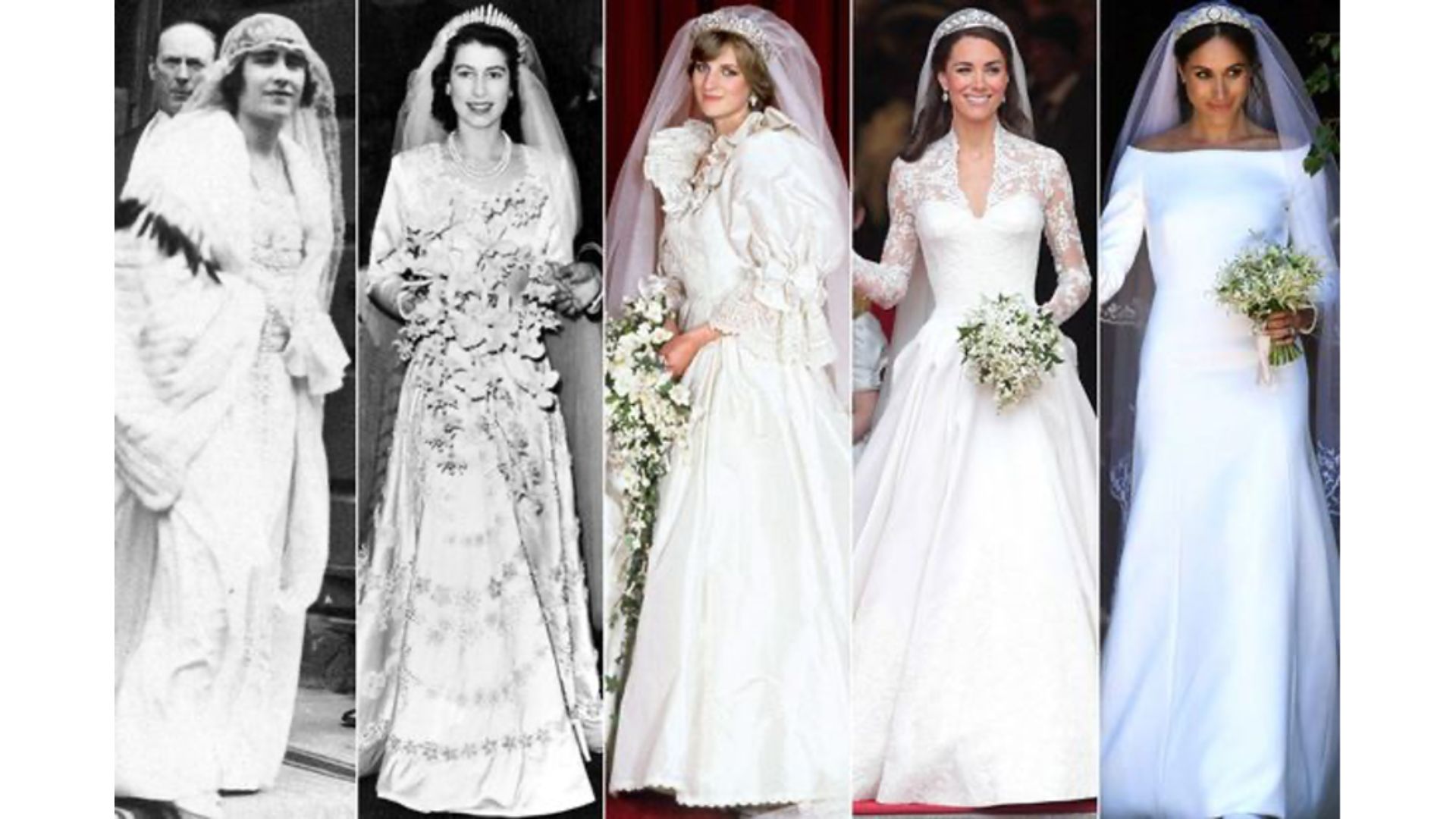
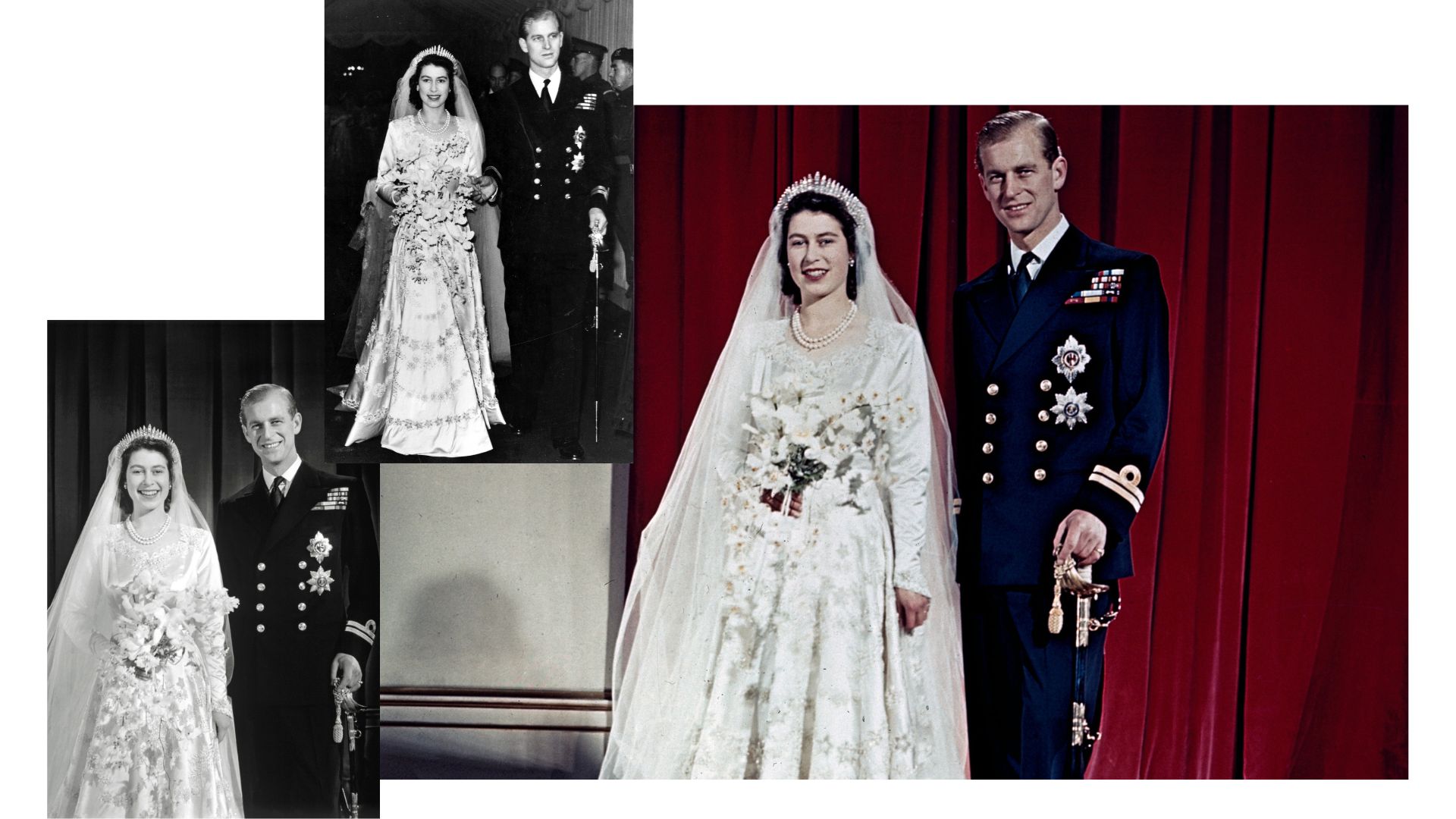
Few royal wedding dresses are as instantly recognizable as Queen Elizabeth II’s 1947 gown. Designed by Norman Hartnell, the ivory duchesse satin wedding dress featured intricate embroidery inspired by Botticelli’s Primavera, along with a dramatic 14-foot wedding train. Decades later, the gown remains a beautiful example of how symbolism and craftsmanship can make a wedding dress truly unforgettable.
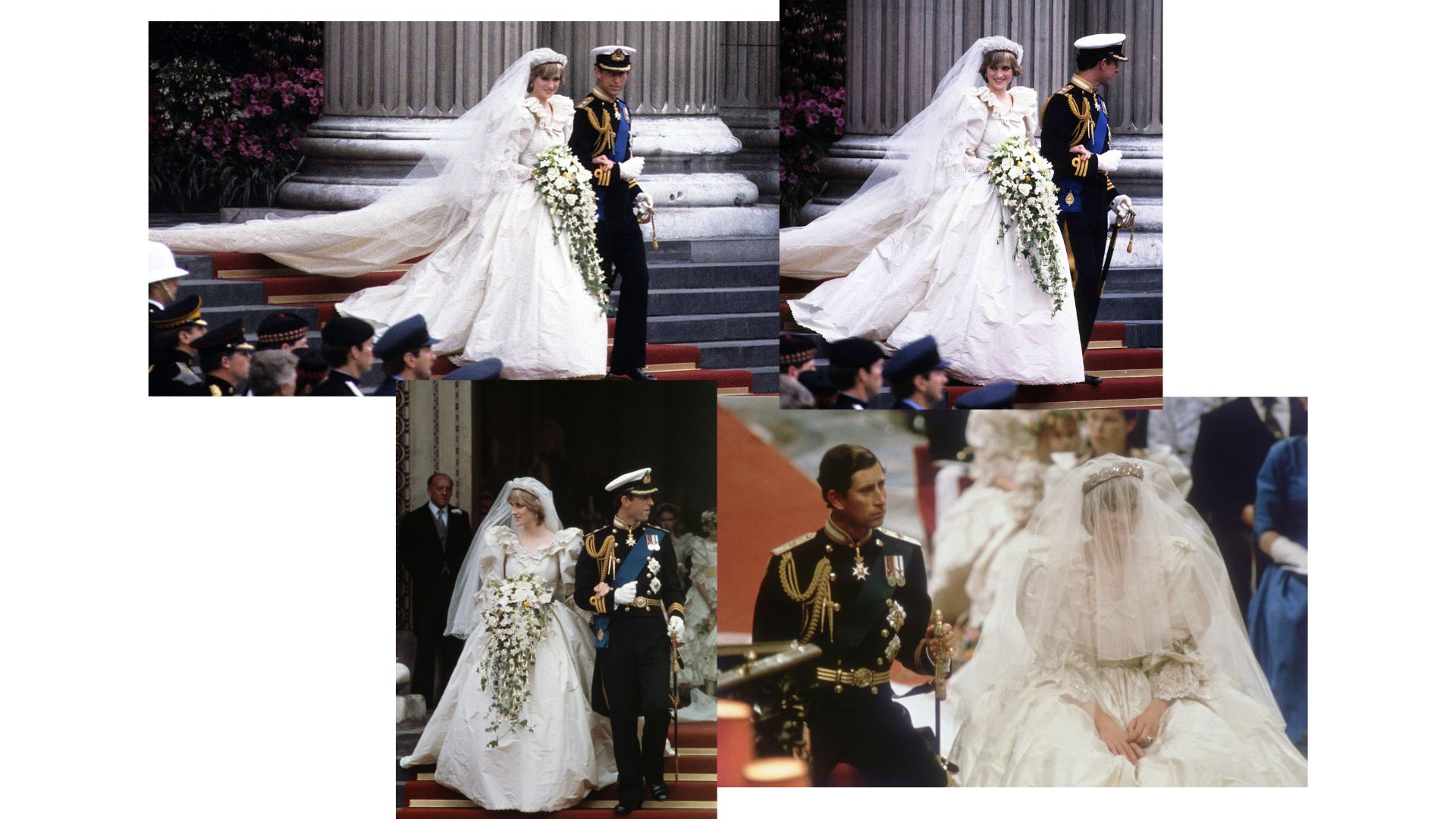
Then came Princess Diana’s iconic 1981 wedding dress. Designed by David and Elizabeth Emanuel, her ivory silk taffeta ball gown embraced the grandeur of the era with a full skirt, puffed sleeves, intricate lace and a dramatic train. It was a bold expression of 1980s bridal fashion, and one that continues to inspire wedding dress designers and brides today.
A Modern Take on the Royal Wedding Dress
By the 1990s and early 2000s, royal bridal fashion began to embrace a softer, more streamlined approach.
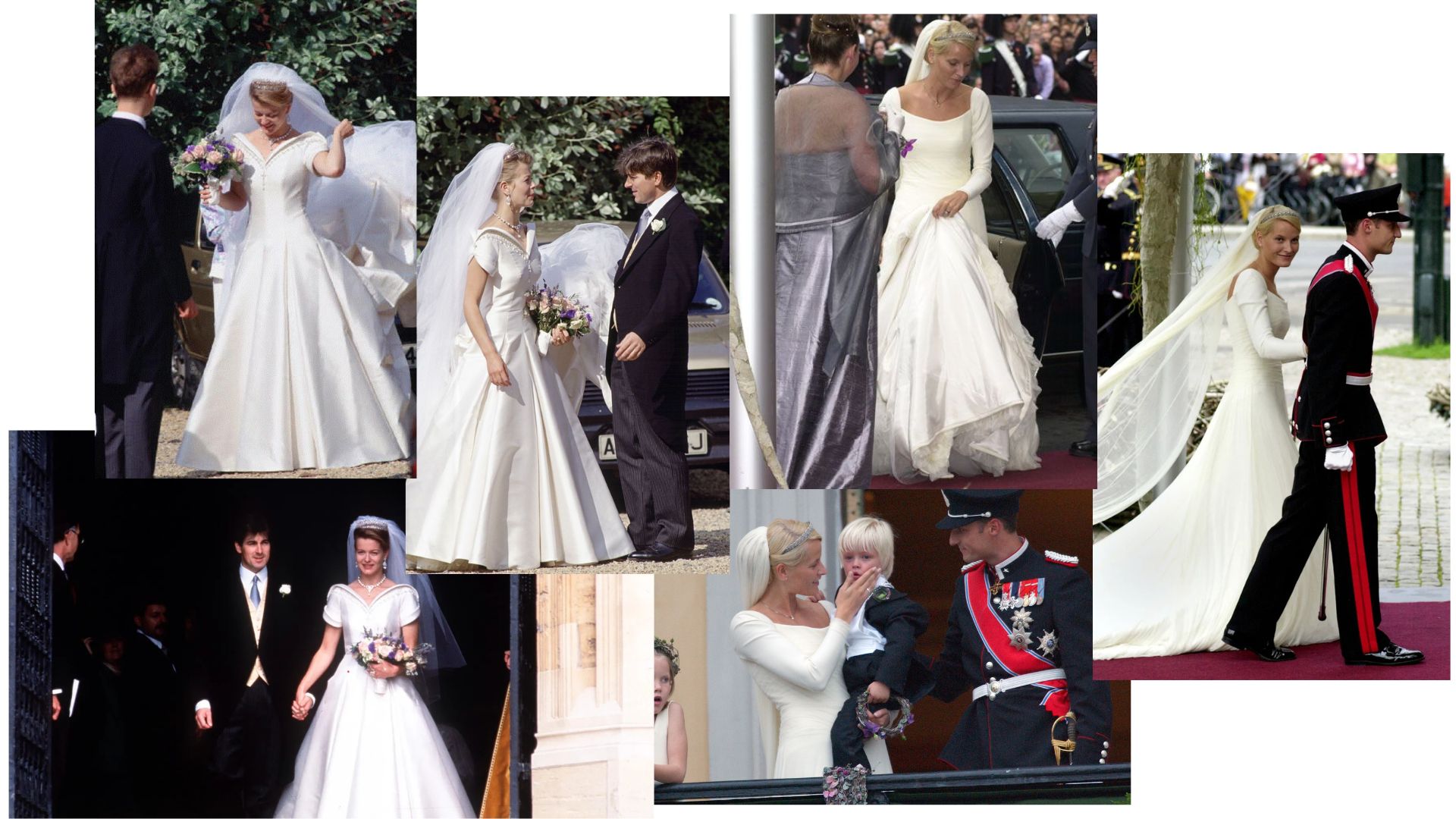
Lady Helen Windsor’s 1992 wedding dress, designed by Catherine Walker, drew inspiration from the architecture of St George’s Chapel, while Crown Princess Mette-Marit of Norway chose an understated silhouette in silk crepe and silk tulle for her 2001 wedding.
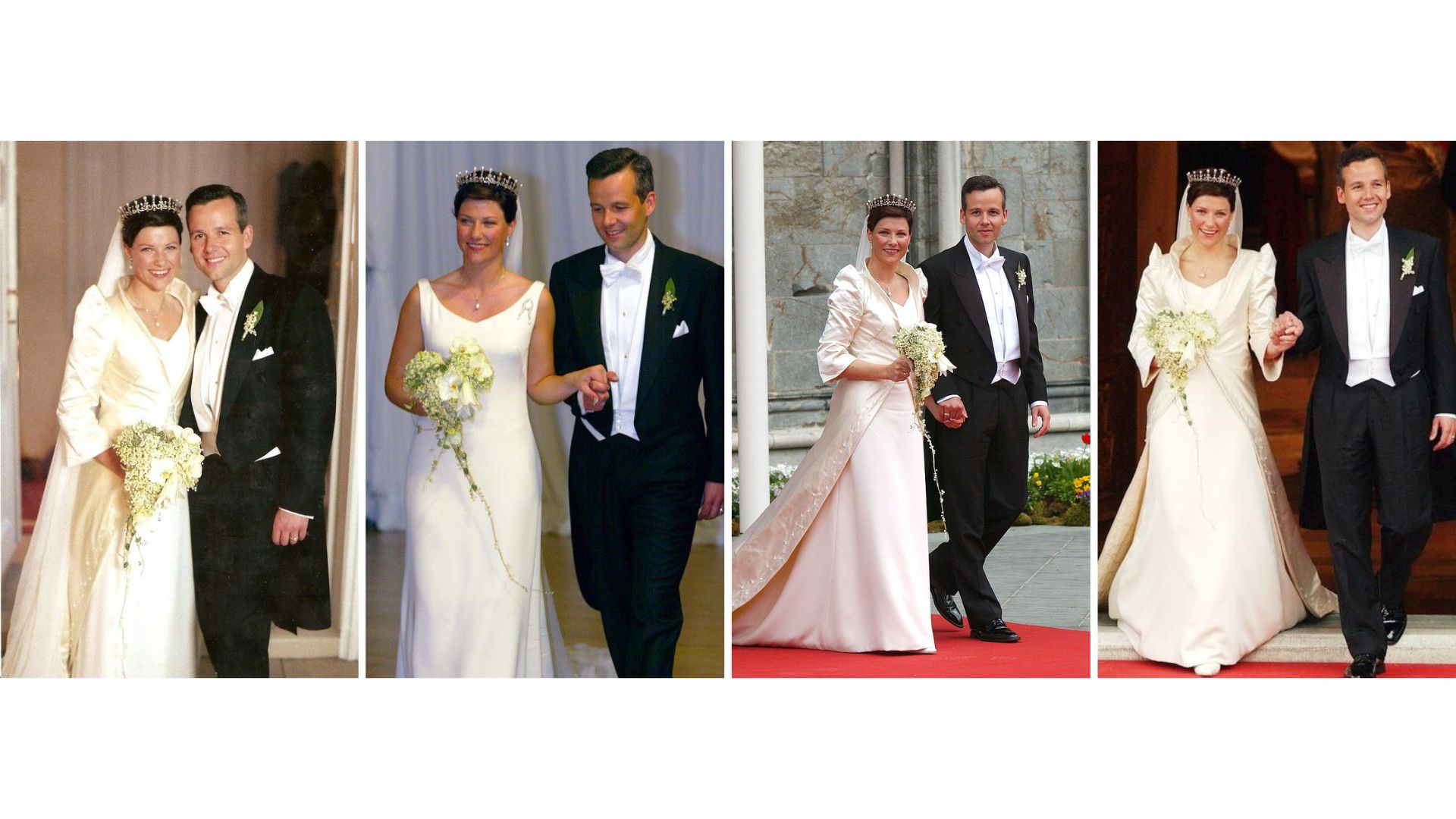
Princess Märtha Louise of Norway also put her own spin on tradition in 2002. Her two-piece bridal look paired a simple silk crepe wedding dress with an off-white duchesse satin jacket featuring a striking three-meter train.
These gowns showed that a royal wedding dress didn’t have to follow one formula. Clean lines, unique construction and unexpected details could feel just as regal as a traditional ball gown wedding dress.
The Royal Brides Redefining Bridal Style
The 2010s brought some of the most memorable royal wedding dresses of the modern era.
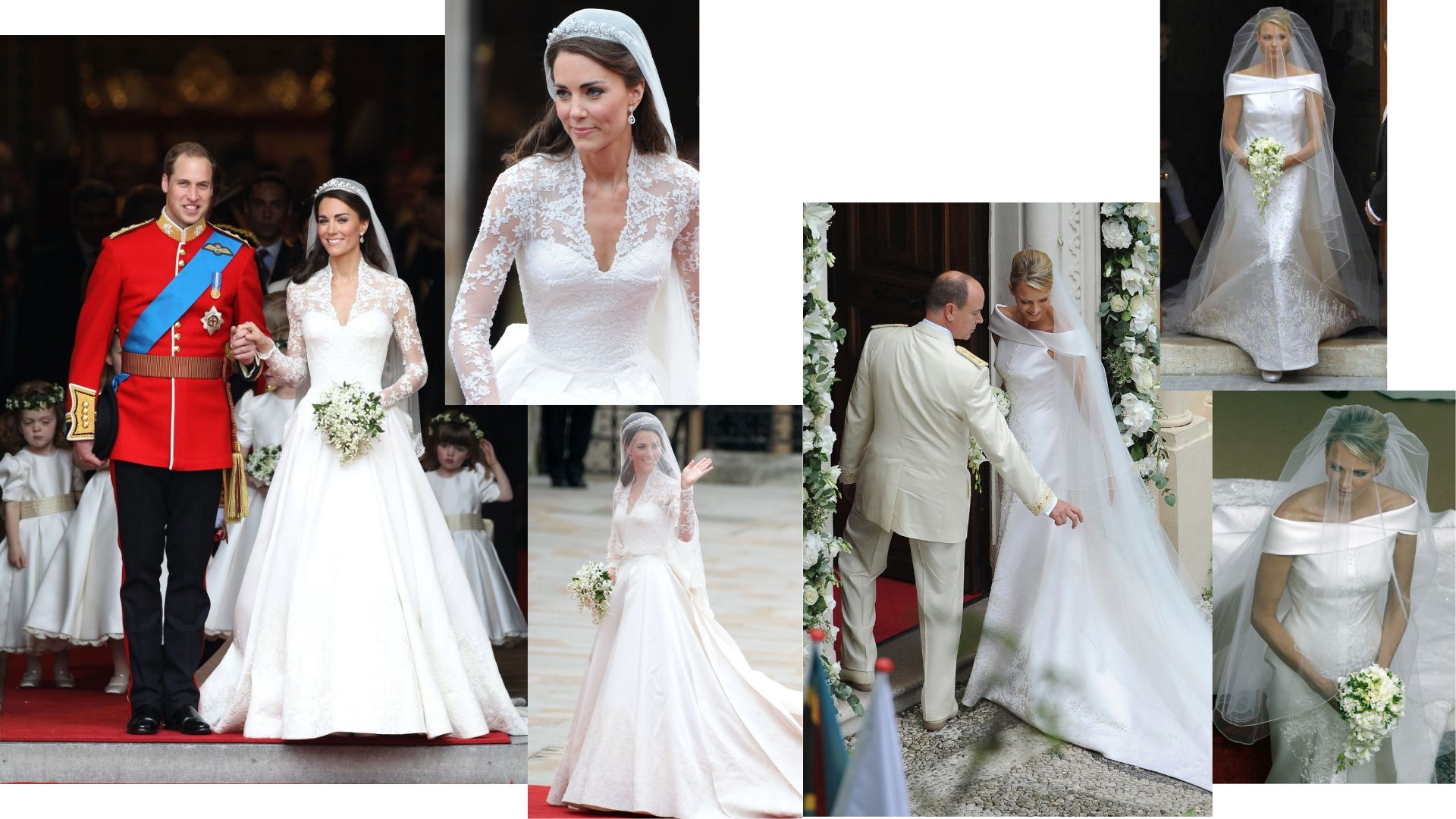
Catherine Middleton’s 2011 Alexander McQueen gown combined traditional bridal details with a distinctly modern sensibility. Its lace incorporated the rose, thistle, daffodil and shamrock, representing the four nations of the United Kingdom.
Princess Charlene of Monaco took a more streamlined approach that same year, wearing an Armani Privé duchesse silk gown with an off-the-shoulder neckline and an elaborately embellished train.
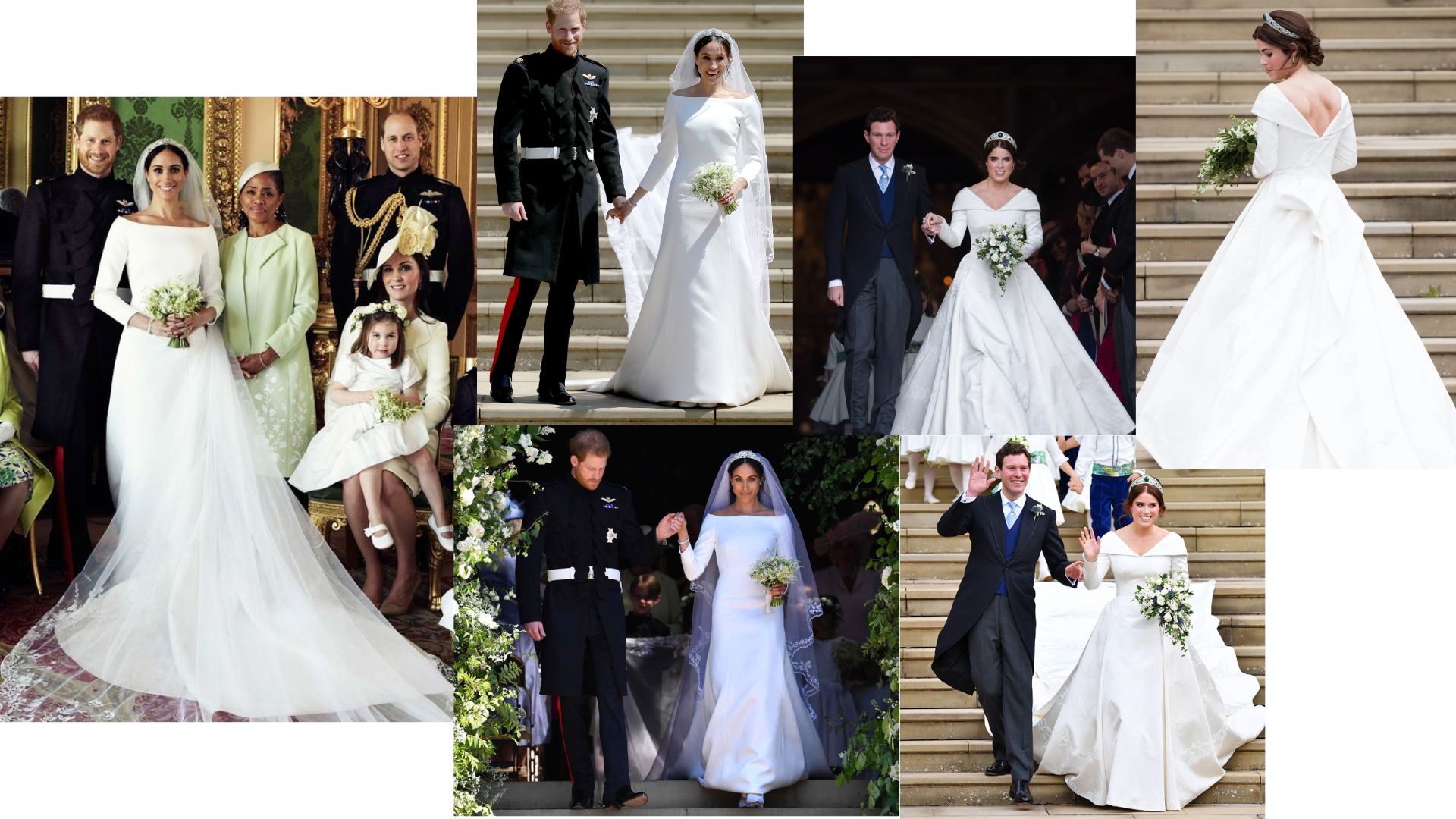
And then came a new generation of royal brides who showed just how personal a wedding dress can be. Meghan Markle’s minimalist Givenchy gown featured a sculptural bateau neckline and a five-meter veil embroidered with flowers representing the 53 countries of the Commonwealth. Princess Eugenie chose a Peter Pilotto and Christopher De Vos gown with an open back—a detail she specifically requested to reveal the scar from childhood scoliosis surgery.
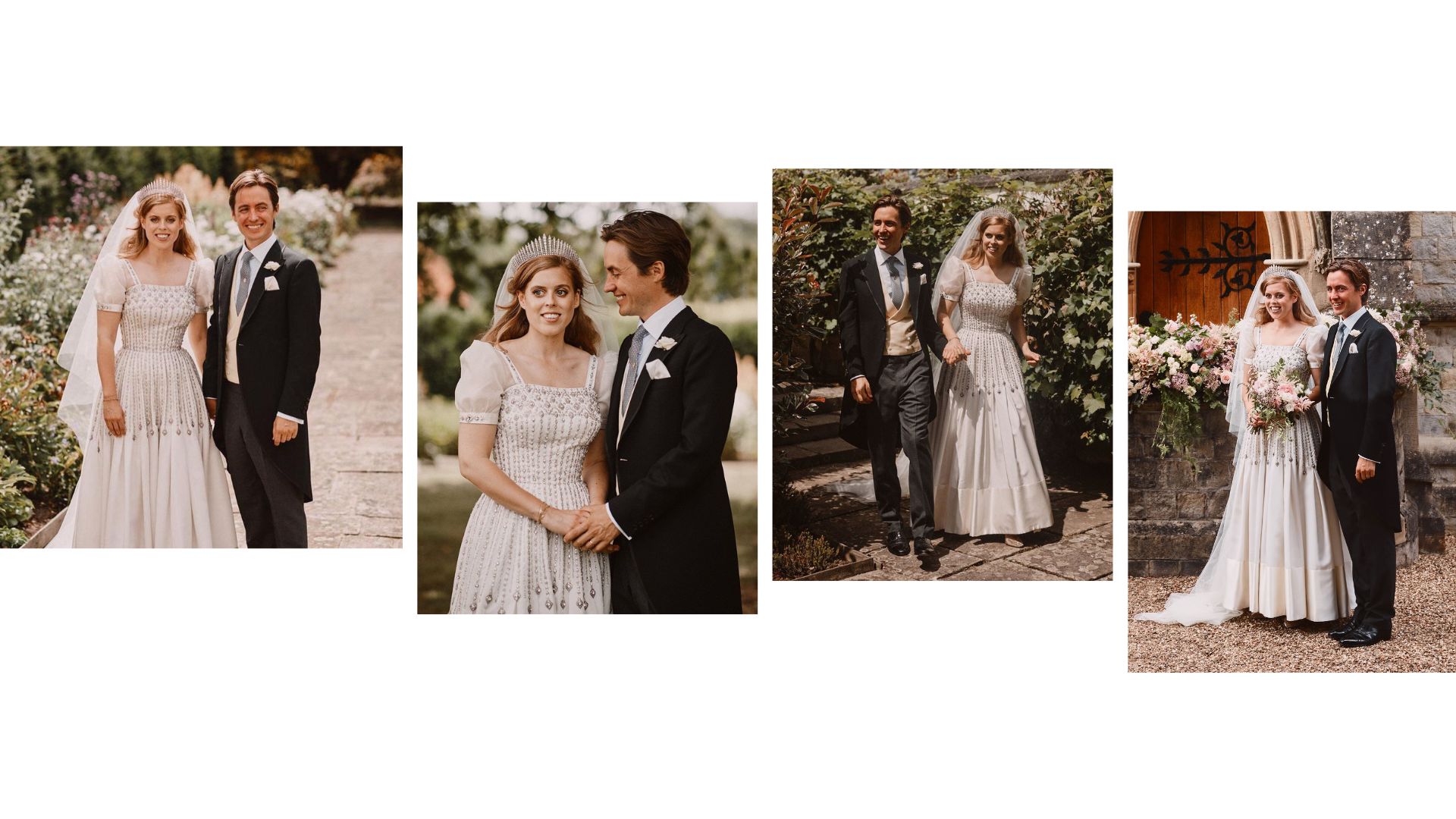
Princess Beatrice took a different approach in 2020, wearing a vintage Norman Hartnell gown borrowed from her grandmother, Queen Elizabeth II, and making a meaningful piece of royal history part of her own wedding day.
Royal-Inspired Wedding Dresses, Your Way
From dramatic ball gowns to sleek crepe wedding dresses, royal wedding dresses prove there is no single way to create a truly memorable bridal look. The details may change with every generation, but the best gowns always feel timeless, personal and unmistakably their bride.
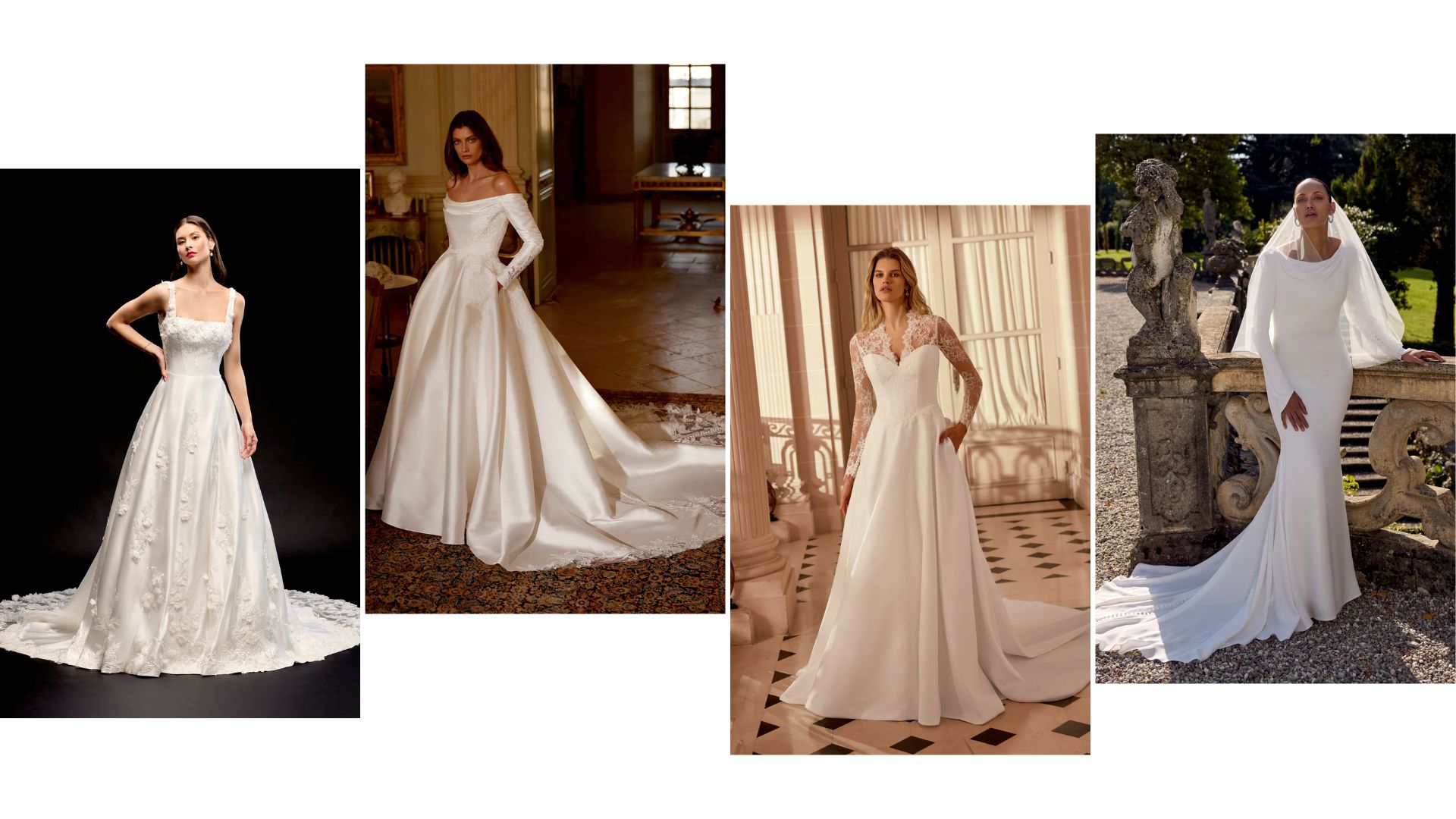
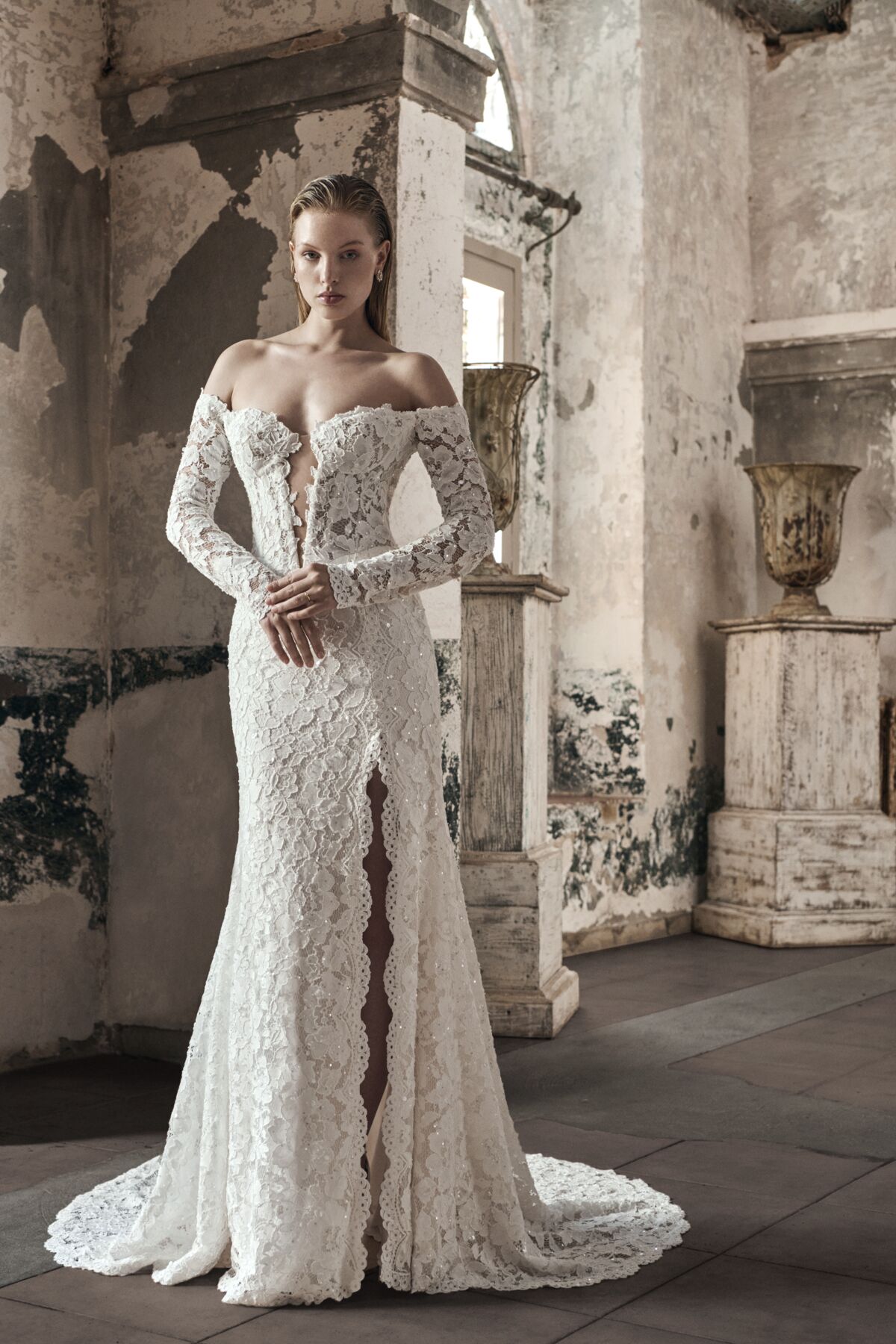
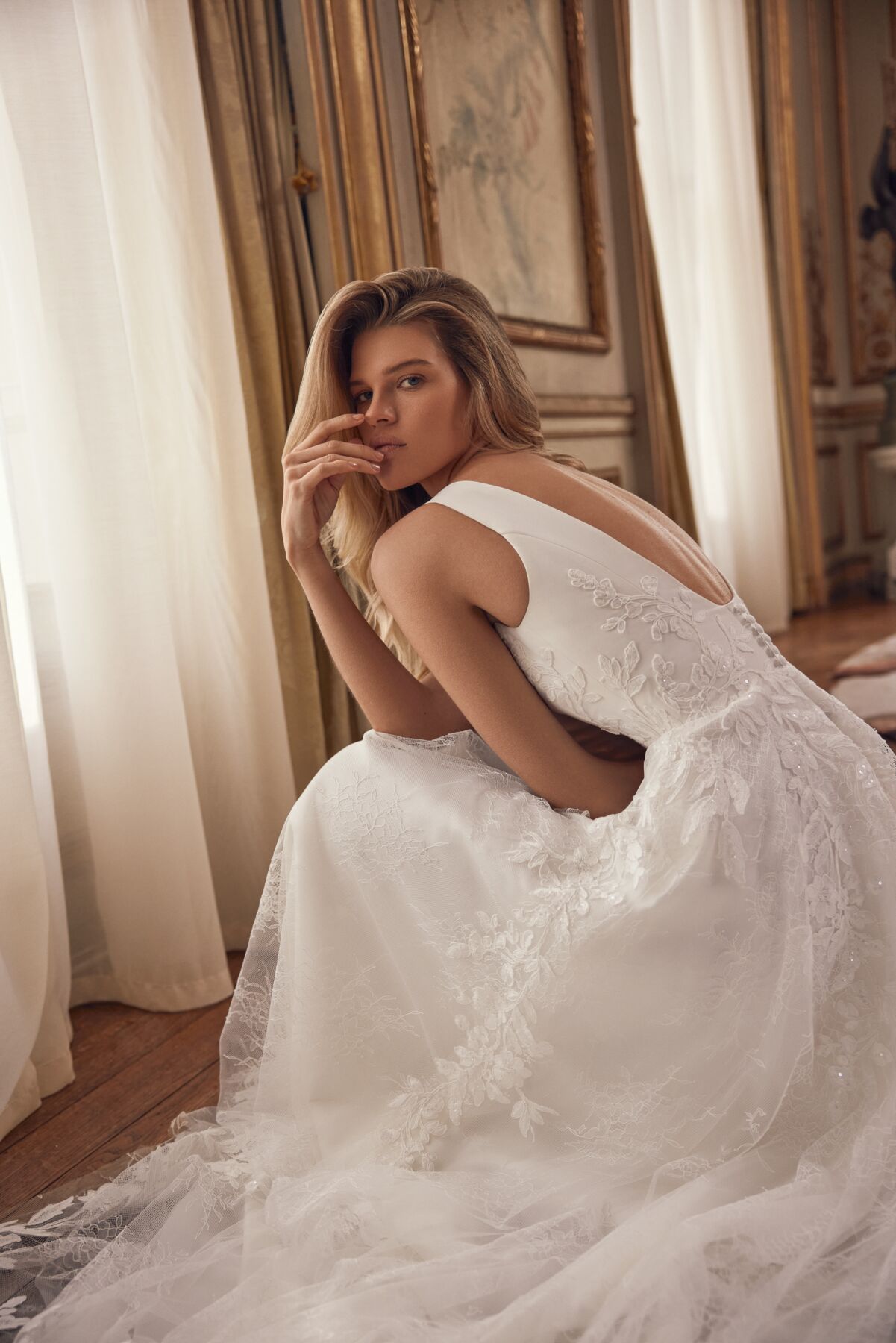
At Justin Alexander, that same idea inspires our approach to bridal fashion. From regal ball gowns and romantic lace to modern wedding dresses and statement-making details, our designer wedding dresses are created to give every bride her own moment down the aisle.
Because you don't need a crown to make a grand entrance.